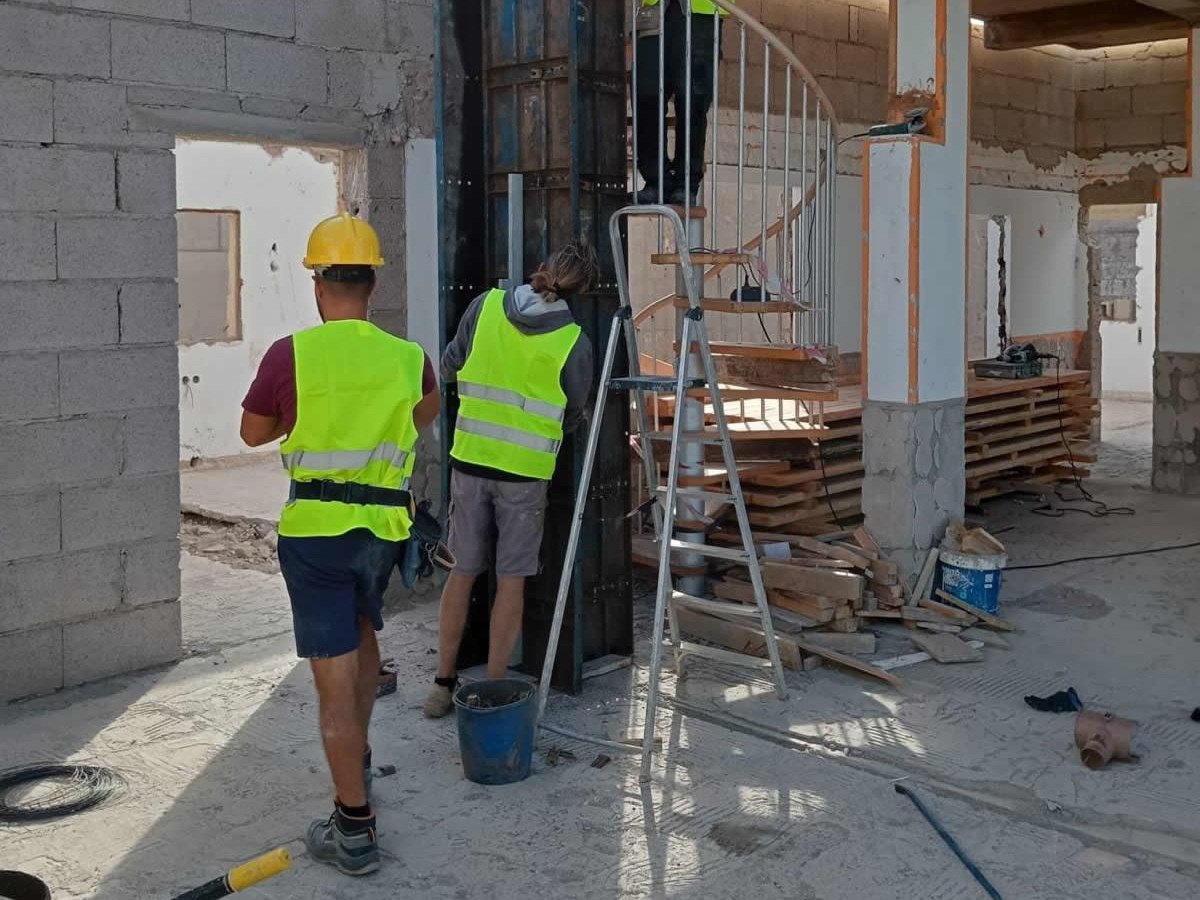
Civil engineering is a key pillar in the development of cities and the infrastructure that enables modern society to function. Roads, bridges, public buildings, transportation networks, and urban structures are made possible by the work of civil engineering firms , which have the experience and resources needed to develop large-scale projects.
Civil engineering firms participate in the planning, design, and construction of projects that directly impact people’s daily lives. In addition to building infrastructure, these firms also construct residential, commercial, and institutional buildings , contributing to economic and urban growth.
In this article we will analyze the role of civil engineering companies , the phases of the construction process and the main services they offer in the construction of infrastructures and buildings .
What are civil works?
Civil works are engineering and construction projects designed to create infrastructure that facilitates the functioning of cities and surrounding regions. These types of projects typically involve significant investment, technical planning, and the involvement of numerous professionals.
Common examples of civil engineering infrastructure include:
- Roads and highways
- Bridges and viaducts
- Gallerie
- Airports and transport stations
- water supply and sewerage networks
- Public and administrative buildings
Civil engineering firms are responsible for coordinating all technical and operational aspects necessary for the successful completion of these projects.
The role of civil engineering firms
Civil engineering construction firms are responsible for planning and executing complex projects that require precise organization and specialized resources.
These companies typically have multidisciplinary teams made up of different professionals, such as:
- Civil engineers , responsible for the technical design of infrastructures
- Architects , responsible for building design
- Construction technicians , who supervise the execution of the works
- Heavy machinery specialists , responsible for the operation of construction equipment
- Construction workers , who carry out the physical tasks of the project
Coordination between these professionals is essential to ensure that each phase of the project is carried out correctly.
Civil engineering project planning
Planning is a crucial phase in any civil engineering project. Before starting construction, various technical, economic, and environmental factors must be analyzed .
During this phase, activities such as the following are carried out:
- Study of the terrain and geological conditions
- Environmental impact assessment of the project
- Development of technical projects and construction plans
- Construction budget preparation
- Implementation Program Planning
Good planning helps you optimize resources, reduce risks, and ensure work is completed within established deadlines.
Infrastructure construction
Building civil infrastructure requires specialized machinery, durable materials, and advanced engineering techniques.
Among the most common tasks in civil engineering projects are:
- Earthworks and excavations
- Construction of foundations and structures
- Installation of water, electrical and telecommunications networks
- Construction of sidewalks and traffic surfaces
- Installation of security and signaling systems
Civil engineering firms use advanced technologies to ensure that these infrastructures are safe and durable.
Construction of buildings in civil engineering projects
In addition to infrastructure, many civil engineering firms are also involved in the construction of public or private buildings. These projects may include:
- Administrative buildings
- Educational centers
- Hospitals
- Sports facilities
- Residential buildings
The construction of these buildings requires close coordination between engineers, architects and building technicians .
Civil Operations Printing: Construction of Infrastructure and Buildings
Civil engineering firms offer comprehensive services covering all phases of infrastructure and building development. These companies manage complex projects that require technical expertise and efficient organization.
Among the main services offered by companies specializing in civil works we find:
- Technical studies and territorial analysis
- Development of engineering and architectural projects
- Management of building permits and licenses
- Earthworks and site preparation
- Construction of infrastructure such as roads, bridges and urban networks
- Construction of residential, commercial and public structures
- Installation of electrical, plumbing and telecommunications systems
- Technical supervision and quality and safety control on the construction site
- Completion and delivery of the project according to technical specifications
These services enable the development of large-scale projects that contribute to urban and economic development.
Innovation in the civil works sector
In recent years, the civil engineering sector has evolved significantly thanks to the adoption of new technologies and construction methods.
Among the most important innovations are:
- Building Information Modeling (BIM)
- Use of sustainable and high-strength materials
- Advanced structural monitoring technologies
- Modular building systems
- Application of renewable energy in infrastructure
These innovations improve project efficiency and reduce their environmental impact.
Importance of safety in civil engineering projects
Construction site safety is a fundamental aspect of civil engineering projects. Given the scale of these projects, rigorous safety standards must be applied to protect workers and ensure the stability of structures.
Civil engineering firms implement measures such as:
- Workplace safety training
- Mandatory use of personal protective equipment
- Constant supervision of on-site activities
- Quality control of the materials used
These measures help prevent accidents and ensure that the project is carried out correctly.
Benefits of working with professional civil engineering firms
Having a company specializing in civil works offers numerous advantages to public administrations, companies, and real estate developers.
Key benefits include:
- Greater experience in large-scale projects
- Use of advanced construction technologies
- Compliance with technical and environmental regulations
- Efficient management of project time and budget
- Professional coordination of all work teams
Thanks to these advantages, civil engineering firms can develop safe and long-lasting infrastructure.
Civil engineering firms play a vital role in developing the infrastructure and buildings that enable modern cities to function. Thanks to their experience, resources, and technical capabilities, these firms are able to manage complex projects that require planning, coordination, and precision.
From building roads and bridges to constructing hospitals, schools, and homes , civil works contribute to economic growth and the well-being of society.
With the support of professional companies specializing in civil works , it is possible to develop modern, efficient and sustainable infrastructures that improve people’s quality of life and prepare cities for the challenges of the future.