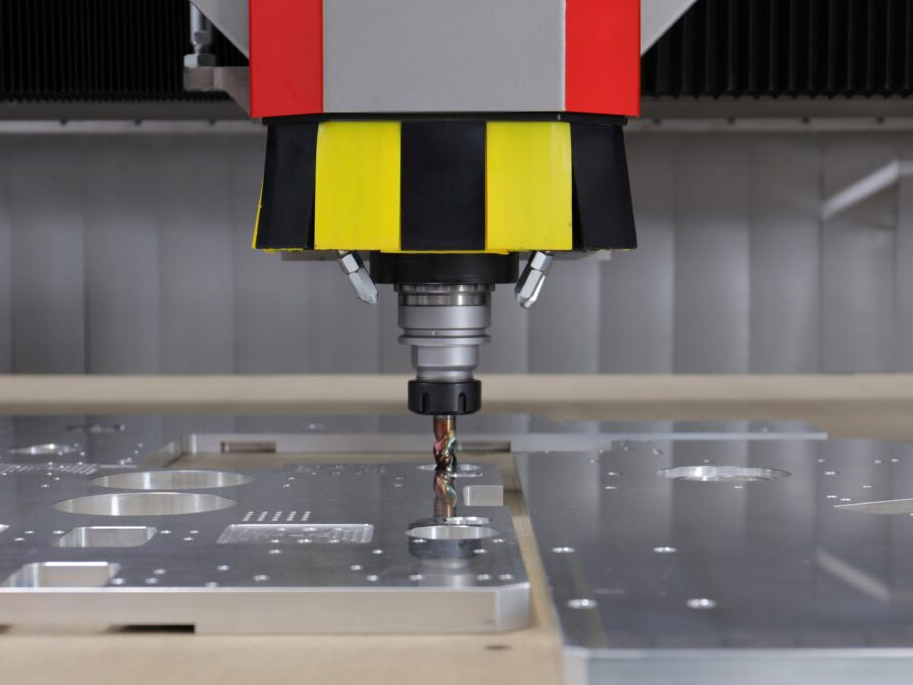
What are advanced CNC machines for aluminum and titanium? Think of them as super-precise robots sculpting these metals with incredible skill. They transform raw blocks into complex components with flawless finishes. These aren’t just tools; they’re production powerhouses. If you want to optimize your processes, improve part quality, or explore new metalworking frontiers, understanding these machines is vital.
In recent years, aluminum and titanium have become essential in many sectors. Aerospace, automotive, medical, and design all rely on these materials. Their unique properties, like aluminum’s lightness and titanium’s strength, demand specialized tools. CNC (Computer Numerical Control) milling machines offer the precise digital control needed. They achieve complex geometries and superior finishes. This guide will help you choose the ideal CNC milling machine for aluminum and titanium. We’ll cover key factors and provide insights to ensure a smart investment.
Understanding CNC Technology for Metals
What exactly is CNC technology? It’s a system using computers to control machine tools. This allows for precise movements of cutting tools and workpieces. For metals like aluminum and titanium, this means achieving intricate shapes and high-quality surfaces. Traditional methods often can’t match this level of accuracy or repeatability. CNC machines translate digital designs into physical reality with incredible fidelity.
Imagine a company producing high-performance bicycle frames from aluminum. They need lightweight yet strong components with precise joints. A CNC milling machine can precisely carve these frames from solid blocks. This ensures every frame is identical, meeting strict quality standards. It significantly reduces waste and production time. This is the power of CNC: precision, efficiency, and the ability to realize innovative designs.
The Unique Challenges of Machining Aluminum
Aluminum is a fantastic material, but it presents specific machining challenges. It’s relatively soft and has a low melting point. This means it can easily “gum up” cutting tools, leading to poor surface finish and increased friction. This phenomenon requires careful management. High-speed machining is often beneficial for aluminum. It helps create a cleaner chip and reduces heat buildup.
The choice of cutting tools is also critical. Specialized end mills designed for aluminum, often with high helix angles and polished flutes, help evacuate chips efficiently. This prevents material buildup on the tool. Advanced cooling systems are important too. They manage the heat generated during high-speed cutting. This prevents thermal distortion of the workpiece and extends tool life. Understanding these nuances is key to successful aluminum machining.
Tackling Titanium: The Demands of a Superalloy
Titanium is a different beast altogether. Its high strength, hardness, and low thermal conductivity make it challenging to machine. Heat generated during cutting tends to stay localized on the tool and workpiece. This leads to rapid tool wear and potential work hardening. Machining titanium requires a different approach. Lower cutting speeds are often necessary, coupled with high torque from the spindle.
The machine’s rigidity is paramount. A robust frame minimizes vibrations, which are amplified when cutting hard materials. Superior cooling is essential to manage the intense heat. High-pressure coolant systems are vital for dissipating heat and flushing away the short, brittle chips titanium produces. Specialized cutting tools, often made from advanced carbides with heat-resistant coatings, are required. These innovations allow for efficient and precise titanium machining, pushing the boundaries of what’s possible.
Key Innovations in CNC Machines for Aluminum
Recent advancements have significantly improved CNC machining for aluminum. High-speed spindles are now standard on many machines. These spindles reach incredibly high RPMs (revolutions per minute). This allows for faster cutting speeds and finer surface finishes. Think of producing intricate heat sinks or lightweight automotive parts. High speed is crucial for both efficiency and aesthetic quality.
Improved machine structures also play a role. Enhanced rigidity reduces vibrations, leading to more precise cuts. Advanced cooling systems deliver coolant precisely where needed. This prevents overheating and extends tool life. Optimized CAM software generates efficient toolpaths. These innovations ensure cleaner cuts and higher productivity for aluminum components.
Breakthroughs in Titanium Machining Technology
Machining titanium demands robust and sophisticated solutions. Modern CNC machines designed for titanium often feature high-torque spindles. These provide the necessary power at lower RPMs, essential for cutting this dense metal. The machine’s frame is built for extreme rigidity. This minimizes vibrations and ensures accuracy under high cutting forces.
Advanced cooling systems are a must. High-pressure coolant delivery is critical for dissipating heat and clearing chips. Specialized cutting tools made from advanced carbides with heat-resistant coatings are vital. These tools withstand the extreme temperatures and forces involved. Innovations in machine tools for advanced titanium processing drastically reduce cycle times. They also extend tool life compared to older methods.
Multi-Axis Machining: Unlocking Complex Geometries
Multi-axis machining (4 and 5-axis) has revolutionized capabilities for both aluminum and titanium. These machines allow the cutting tool to approach the workpiece from virtually any angle. This is invaluable for creating complex shapes and machining multiple sides in one setup. Imagine crafting intricate turbine blades or complex orthopedic implants. These parts demand multi-axis precision.
This capability significantly reduces setup time and improves accuracy. Less part handling means fewer errors. Advanced CAM software is essential for programming these complex movements. It simulates the process, preventing collisions and optimizing toolpaths. Multi-axis technology unlocks unprecedented design freedom for challenging materials like aluminum and titanium.
Automation and Smart Features: The Future is Now
Modern CNC machines are increasingly incorporating automation and smart features. Automatic tool changers, pallet systems, and robotic loading/unloading minimize operator intervention. This boosts productivity and enhances safety. Think of lights-out manufacturing, where machines operate autonomously. This level of automation is becoming more accessible.
Data integration is another key innovation. Sensors monitor spindle vibration, tool wear, and cutting forces. This data enables predictive maintenance, preventing costly breakdowns. AI algorithms can analyze this data to optimize cutting parameters in real-time. This improves both speed and quality. These smart features turn a CNC machine into an intelligent manufacturing asset. These are central to machine tools for advanced aluminum processing and titanium.
Embracing the Future of Precision Machining
The advancements in CNC technology are undeniable. Innovations in spindles, machine structure, cooling, multi-axis capabilities, and smart features are transforming how we machine aluminum and titanium.
- High-Speed Machining: Essential for aluminum’s efficiency and finish.
- Robust Design: Crucial for titanium’s demanding nature and precision.
- Multi-Axis & Automation: Unlock complex geometries and boost productivity.
These innovations are not just trends; they are the new standard. Start exploring these technologies today. Embrace the future of precision machining and watch your production capabilities soar.